

Maldives Packing Essentials for Rasdhoo Days
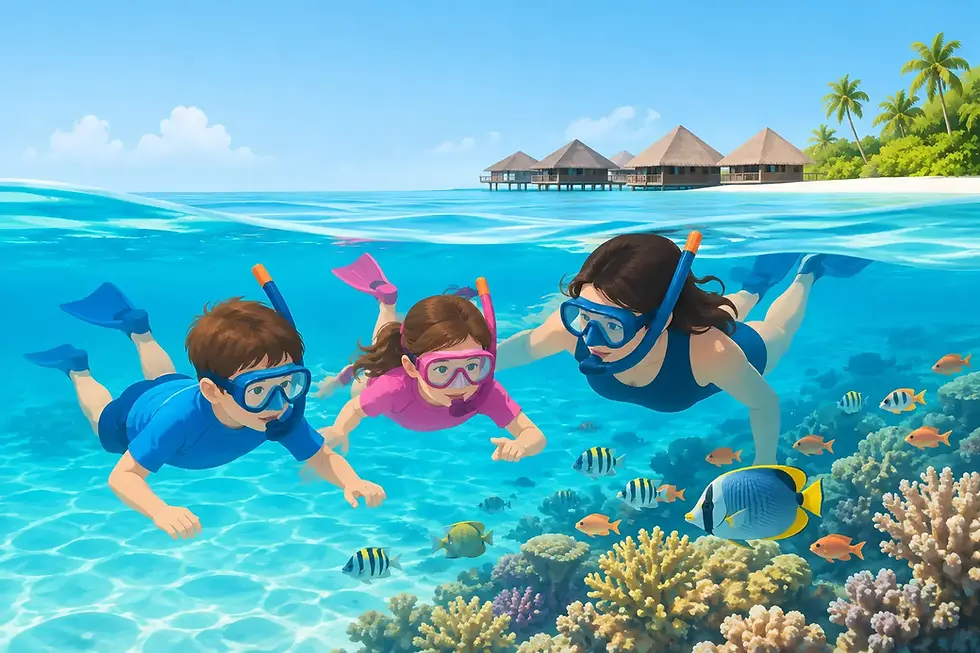
A morning at Rasdhoo’s bikini beach can begin with bare feet in soft white sand and end with a turtle, reef shark, or manta ray passing beneath your snorkel mask. The best Maldives packing essentials are not about filling a large suitcase. They are about bringing the few items that keep you comfortable in strong tropical sun, ready for spontaneous water adventures, and respectful of local island life.
For a stay on Rasdhoo, pack light but pack with purpose. Air-conditioned rooms, daily housekeeping, breakfast, and an easy walk to the beach mean you can leave the excess behind and make room for the things that matter: swim time, island evenings, and unforgettable days on the water.
Maldives packing essentials for beach and boat days
Your swimwear will get more use here than almost anything else. Bring at least two swimsuits so one can dry while you wear the other, especially if your plans include snorkeling, sandbank visits, diving, dolphin cruises, or watersports on consecutive days. A rash guard is equally useful. It gives your shoulders and back a layer of protection during long hours in the water and makes boat rides more comfortable when the sun is high.
Sun protection deserves more attention than it gets on most packing lists. The equatorial sun can feel intense even on breezy days or when clouds drift over the lagoon. Pack reef-conscious sunscreen, ideally water-resistant, along with SPF lip balm, sunglasses with UV protection, and a wide-brim hat or cap that will stay on in the wind. Apply sunscreen well before entering the water, then use shade, a rash guard, and a cover-up as your main defenses whenever possible.
A lightweight beach tote works well for a quick walk to the bikini beach. For excursions, however, a dry bag is far more useful. Choose one large enough for a phone, camera, towel, sunscreen, and a light layer. A smaller waterproof phone pouch is also worthwhile if you want photos from the boat without worrying about sea spray. Test it at home first with tissue paper inside, rather than trusting it with your phone for the first time over the Indian Ocean.
Bring flip-flops or sandals for the beach and around the island, plus one pair of secure water shoes or reef-safe sandals if you prefer extra footing on a boat, at a sandbank, or near coral-fringed shallows. Barefoot beach walks are part of the Maldives experience, but sea floors and jetties can be uneven. Avoid stepping on coral altogether. It is fragile, alive, and essential to the reef scenes you came to see.
Snorkeling and diving gear: what is worth bringing?
Quality rental equipment is often available for planned activities, so you do not need to bring an entire dive shop in your luggage. Still, a personal mask can make a major difference. A mask that fits your face well is more comfortable, less likely to leak, and can turn a good snorkel session into a great one. If you own one you trust, pack it in a protective case.
Certified divers should bring their certification card, digital or physical, along with any dive insurance details, prescription mask if needed, and a record of recent dives if you keep one. A compact surface marker buoy, dive computer, and underwater camera can be sensible for experienced divers who already use them. But bulky gear such as fins, BCDs, regulators, and wetsuits comes down to personal preference, airline allowance, and how often you expect to dive. For many travelers, renting locally keeps the journey lighter.
A thin long-sleeve rash guard or lightweight dive skin is especially practical for repeated water days. It offers sun coverage and a little protection from cooling wind after a dive. If you get cold easily, ask about expected water conditions before deciding whether to bring more thermal protection. Water temperatures are generally warm, but long dives, early boat departures, and changing conditions can feel different from a quick swim near shore.
Dress for a local island, not only a resort
Rasdhoo offers the joy of a local-island stay: a friendly community atmosphere, easy access to the beach, and a more grounded way to experience the Maldives. That also means packing with local customs in mind. Swimwear is appropriate at designated bikini beach areas and on water excursions, while more modest clothing is expected when walking through the island, dining outside beach zones, or visiting local spaces.
Pack airy T-shirts, linen or cotton shirts, light dresses, loose shorts, and one or two cover-ups that reach beyond the beach. A breathable pair of pants or a longer skirt is useful for evenings, mosque-adjacent areas, and island hopping. Couples and families often find that a simple beach cover-up makes moving between the room, restaurant, and beach feel easy without needing a full outfit change.
Evenings are relaxed, but bring one slightly smarter outfit for a special dinner, sunset cruise, or photos on a sandbank. Think polished but unfussy. The Maldives is not a destination that rewards heavy formalwear. Light fabrics, comfortable sandals, and clothes that handle humidity will serve you better than anything stiff or elaborate.
Small health and comfort items that earn their space
A compact personal kit can save time once you are on an island. Include any prescription medication in its original packaging, plus a few basics you know you use: pain reliever, antihistamine, bandages, blister care, anti-diarrheal medicine, and insect repellent. If you are prone to motion sickness, pack medication or bands before your speedboat transfer or excursion. Even travelers who usually feel fine can appreciate a backup on a choppy day.
A reusable water bottle is another smart addition. Staying hydrated makes a noticeable difference after beach hours, boat rides, and salty swims. A lightweight insulated bottle can keep water cool, though a simple refillable bottle takes up less luggage space.
If you wear contact lenses, bring more pairs than you think you will need and pack glasses as a backup. Salt water, wind, and sunscreen are not kind to dry eyes. Families may also appreciate a few familiar snacks for travel days, particularly for children with specific preferences, although breakfast and meal options make it easy to settle in once you arrive.
Travel basics that prevent avoidable stress
Keep the essentials for your first 24 hours in your carry-on: passport, travel documents, wallet, phone charger, medication, swimwear, a change of clothes, and sunscreen. Transfers can involve flight timings and boat schedules, so having these items with you makes arrival day more relaxed if checked luggage is delayed.
Bring a universal travel adapter and a compact power bank. Your phone will be doing plenty of work, from capturing coral gardens and checking transfer details to sharing photos with family back home. Reliable Wi-Fi is welcome at your guesthouse, but a charged phone remains useful during transfers and full-day excursions.
Cash in small denominations can be handy for personal purchases and tips, while cards are useful in many travel situations. Keep money and documents protected from water in a zip pouch or dry bag when heading out by boat. It is also wise to save copies of key reservations and insurance information offline on your phone.
Pack a light rain jacket or foldable poncho if you are visiting during a wetter period. Tropical showers can arrive quickly, then clear just as fast. You do not need to plan your vacation around rain, but a small layer lets you keep enjoying the island instead of waiting indoors.
What you can leave at home
The easiest way to overpack for the Maldives is to bring too many outfits, heavy shoes, and oversized toiletries. You will spend much of your time in beachwear, light clothes, and sandals. Laundry-friendly fabrics are helpful, and a few versatile pieces will go much further than a suitcase filled with single-use looks.
Leave drones at home unless you have confirmed all relevant permissions in advance. Also avoid bringing coral, shells, or other natural souvenirs back with you. The reef and beach are more beautiful when every piece stays where it belongs.
At Ras Rana Lodge, the beach is only a short walk away, while Rasdhoo’s celebrated dive and snorkel sites are reached by boat. Pack for that freedom: a light bag, sun-smart layers, water-ready essentials, and enough space to return with photographs, stories, and the unmistakable feeling of having spent your days where the ocean is the main event.


Comments