

Maldives Snorkeling for Beginners Made Easy
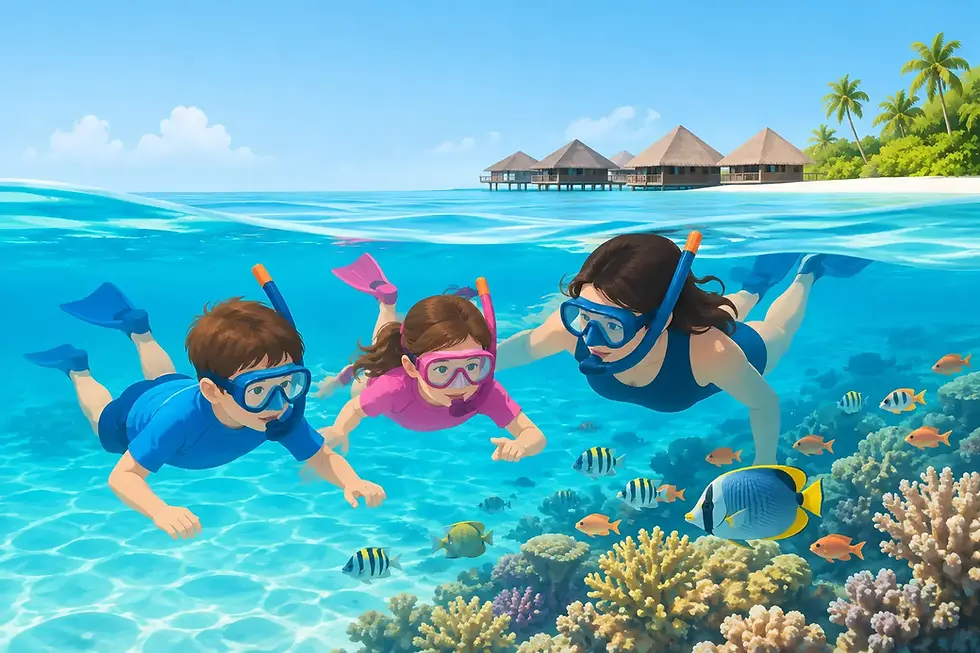
The first time you float above a Maldivian reef, the surprise is how much life is visible from the surface. A flash of blue tang, a turtle moving slowly over coral, a small reef shark gliding beneath you - these moments do not require scuba certification or expert swimming skills. Maldives snorkeling for beginners can be remarkably rewarding when you choose calm conditions, use the right equipment, and give yourself permission to go slowly.
For guests staying on a local island such as Rasdhoo, the experience can also be refreshingly simple. Wake up, enjoy breakfast, walk toward the bikini beach, and spend the day between soft white sand and clear lagoon water. With local guidance for boat trips and marine excursions, first-time snorkelers can enjoy the Maldives with far less planning pressure than they may expect.
Why the Maldives Works for First-Time Snorkelers
The Maldives is not one single reef or beach. It is a vast collection of atolls, islands, lagoons, channels, and coral formations, so conditions vary greatly from place to place and day to day. Still, many areas offer the ingredients beginners need: warm water, excellent visibility, colorful shallow reefs, and boat access to marine sites that would be difficult to reach from shore.
Rasdhoo Atoll is especially appealing for travelers who want both an easy beach holiday and a chance to see bigger marine life. Coral gardens and reef fish can be enjoyed at relaxed snorkeling sites, while guided excursions may bring you near turtles, eagle rays, reef sharks, and seasonal manta rays. The famous hammerhead shark sites in the area are primarily a scuba-diving experience, but snorkelers still have plenty of extraordinary wildlife opportunities.
The key is matching the trip to your comfort level. A calm lagoon snorkel is very different from a drift snorkel near a channel. Start with the first, then decide whether you want a more adventurous boat outing later in your stay.
Maldives Snorkeling for Beginners: What to Bring
Good equipment makes a much bigger difference than most first-time snorkelers realize. A mask that seals comfortably is more valuable than an expensive action camera, because constantly clearing leaking water takes the joy out of watching the reef.
Choose a mask that sits comfortably against your face before the strap is tightened. Breathe gently through your nose while holding it in place with your hand. If it stays put for a moment, the seal is likely good. Facial hair, sunscreen around the mask line, and hair caught under the silicone can all cause leaks.
A dry-top snorkel can help prevent splashes from entering the tube, especially when there is a little surface chop. Fins make swimming more efficient, but they should fit snugly without rubbing. If you are new to fins, make small, slow kicks from your hips rather than bending sharply at the knees. Fast kicking can stir up sand, tire you quickly, and make it harder to spot marine life.
A rash guard is often more useful than people expect. The tropical sun is strong, and your back and shoulders face upward while snorkeling. Use reef-conscious sun protection where appropriate, but rely on physical coverage too. A lightweight long-sleeve rash guard, a hat for boat rides, drinking water, and a dry towel will make your day more comfortable.
If you are not a confident swimmer, tell your guide before getting in the water. A properly fitted flotation vest, buoyancy aid, or pool noodle can provide confidence without taking away the experience. There is no prize for snorkeling without support.
Your First 10 Minutes in the Water
The best beginner snorkel begins before you leave the shore or boat. Ask your guide where the current is moving, where you should enter and exit, how far you are expected to swim, and what signal to use if you need help. Listen even if the water looks glassy. Currents can be difficult to judge from the surface.
Once in the water, do not rush to find the biggest fish. Spend a few minutes in shallow, calm water practicing. Put your face in, breathe slowly through the snorkel, lift your head, and repeat. If water enters the tube, raise your head and clear it calmly according to the guide's instructions. This short adjustment period helps your breathing become natural before you are over deeper water.
Then float. Let your body settle at the surface and look down without paddling hard. Coral reefs reveal more when you are quiet. You may notice tiny damselfish defending their territory, parrotfish grazing on coral, or a school of silver fish changing direction together. The more relaxed you become, the more of the reef you will see.
Safety Comes Before the Wildlife Photo
Clear water can create a false sense that every snorkeling spot is easy. Wind, waves, boat traffic, tides, and currents all matter. Beginners should avoid snorkeling alone, particularly at offshore reefs or unfamiliar beaches. Go with a buddy, stay within the agreed area, and keep the boat, shore, or guide in sight.
It also helps to be honest about your energy level. Heat, jet lag, a long transfer, and excitement can make travelers underestimate fatigue. If your breathing feels strained, your mask keeps leaking, or you feel uneasy, signal your guide and take a break. A good snorkeling day is not measured by how long you stay in the water.
Never stand on coral, even if you feel you need to regain your balance. Coral is fragile and can also cut skin. If you need a rest, float on your back, use your flotation support, or move toward a sandy area only when your guide says it is safe. Keep a respectful distance from turtles, rays, sharks, and every other animal. Chasing wildlife changes its behavior and usually means you see less, not more.
Reef sharks often make beginner snorkelers nervous, but most species seen on Maldivian reefs are shy and focused on their own surroundings. Watch calmly from a distance and follow your guide's direction. Seeing one in clear blue water is often the story guests talk about long after the trip ends.
Shore Snorkeling or Boat Trip?
Shore snorkeling is the gentler starting point when conditions are calm. It gives you control over timing, allows you to practice close to land, and makes it easy to take a break whenever you want. It is ideal for building confidence on your first day.
A guided boat snorkel offers a different reward: access. Some of the Maldives' most colorful reefs and wildlife encounters sit beyond the beach, often just a short speedboat ride away. Guides can select a site based on weather, visibility, currents, and the type of experience you hope to have. That local knowledge matters, especially if you want a realistic chance to see turtles, rays, or reef sharks without choosing a site that is too challenging.
At Ras Rana Lodge, guests can arrange snorkeling and marine excursions alongside airport transfers and island experiences, making it easier to shape a trip around their confidence level. A first easy outing followed by a wildlife-focused excursion is often a better plan than trying to fit every bucket-list encounter into one day.
How to See More Without Touching Anything
The healthiest snorkeling habit is simple: look, float, and leave no trace. Keep your fins away from coral, do not feed fish, and resist the urge to touch a turtle shell or pick up shells and starfish. The reef is not a backdrop. It is a living home for the animals you came to see.
For photos, keep your body horizontal and take a few patient shots rather than swimming directly over an animal. If a turtle turns away, give it more room. If a school of fish moves toward you, stay still and let it pass. Those quiet moments are often more memorable than a perfect picture.
Plan your first snorkeling session for a time when you are rested, well hydrated, and not rushing to another activity. Bring curiosity, ask questions, and begin in the calmest water available. By the end of the day, the snorkel that felt unfamiliar in the morning may be your favorite way to meet the Maldives.


Comments