

Rasdhoo Coral Reef Guide for Snorkelers and Divers
A few steps from Rasdhoo’s bikini beach, the water changes from pale turquoise to a deep, electric blue. That contrast is the promise behind this Rasdhoo coral reef guide: easy access to colorful shallow coral gardens, plus boat trips to channels and pinnacles where the Maldives feels wonderfully wild. Whether you are packing a mask for the first time or bringing a dive log full of stamps, Rasdhoo Atoll rewards travelers who plan for the conditions rather than simply hoping for a good reef.
Why Rasdhoo’s reefs are worth the trip
Rasdhoo sits in Alif Alif Atoll, surrounded by a compact collection of reefs, channels, sandbanks, and dive sites. The short distances matter. You can enjoy a slow breakfast, spend time on the beach, and still reach many snorkeling and diving areas by speedboat without giving up an entire day to travel.
The reef experience here is not one-size-fits-all. Close to shore, calm shallows can offer bright coral formations, schools of small reef fish, and relaxed time in the water. Farther out, the currents and deeper blue water bring the larger encounters: reef sharks, eagle rays, turtles, and, at the right sites and times, manta rays and hammerhead sharks.
That range makes Rasdhoo especially appealing for couples, families with confident swimmers, and groups where one person wants gentle snorkeling while another wants a more adventurous dive. It is also a practical local-island alternative for travelers who want memorable marine experiences without a private-resort price tag.
Rasdhoo coral reef guide: choose the right experience
The best reef trip depends on your confidence in the water, your available time, and what you most hope to see. Visibility, wind, tide, and current can all change the plan, so a flexible mindset is useful.
Beach snorkeling and shallow coral gardens
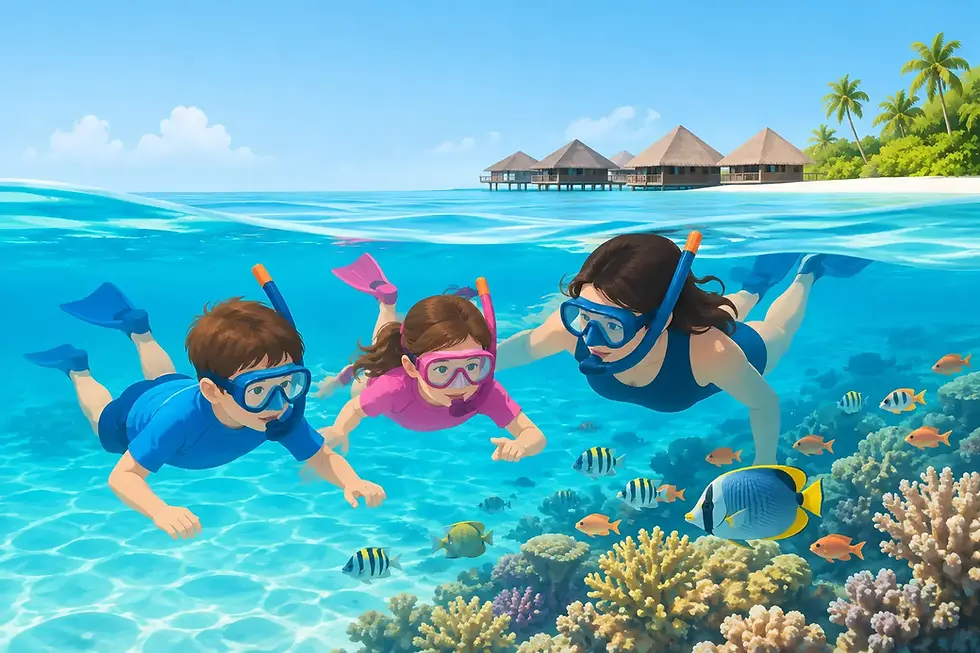
For a low-pressure introduction, start with a guided snorkeling trip or a suitable nearshore reef. In calm conditions, shallow water lets you take your time practicing with your mask and snorkel. Look closely and the reef becomes busy: parrotfish grazing on coral, butterflyfish moving in pairs, damselfish flickering above branching formations, and the occasional curious trumpetfish.
Do not assume every beautiful beach has safe, worthwhile snorkeling directly in front of it. Coral can be damaged in very shallow areas, and boat traffic or changing currents may make certain spots unsuitable. A local guide can direct you to the better entry points and choose a reef matched to the day’s conditions.
If you have never snorkeled before, wear a properly fitted mask, use fins, and take a few minutes to get comfortable breathing with your face in the water. A flotation vest is not a sign of inexperience. It helps many guests relax, conserve energy, and spend more attention on the coral rather than staying afloat.
Boat snorkeling for turtles and reef life
A boat excursion opens up more options than swimming out from shore. Reefs farther from the island often have clearer water, healthier coral sections, and more marine traffic. Turtles are a favorite sighting, though they are never guaranteed. When one appears, the best encounter is a quiet one: stay several yards away, avoid swimming over its path, and let the turtle decide where to go.
Reef sharks can also appear during snorkeling trips. Blacktip and whitetip reef sharks are generally shy, and seeing one glide over the reef is a highlight rather than a cause for alarm. Your guide will explain where to enter, how to stay together, and when to return to the boat.
Diving in Rasdhoo Atoll
Certified divers come to Rasdhoo for more than coral gardens. The atoll’s channels and outer reefs can deliver blue-water action, stronger currents, and larger pelagic species. These conditions are exciting, but they are not the same as a casual swim above a protected lagoon.
Rasdhoo Madivaru is widely known for early-morning hammerhead shark dives. A hammerhead encounter is a special possibility, not a promise, and it usually calls for an early departure, solid buoyancy control, and comfort in deeper water. Conditions can be demanding, particularly when current is present. Divers who are newly certified should be honest about their experience and select sites with their dive professionals accordingly.
Other sites may offer overhangs, reef walls, schooling fish, rays, and reef sharks. Manta encounters can be seasonal and site-dependent, while whale shark trips typically require a longer excursion beyond Rasdhoo’s immediate reefs. A good itinerary leaves room for both: one planned bucket-list trip and several shorter reef outings where the surprise is part of the fun.
When to visit for snorkeling and diving
The Maldives is warm year-round, and Rasdhoo can be rewarding in every season. Still, the sea is not identical from month to month.
From roughly December through April, travelers often find drier weather, abundant sunshine, and generally favorable conditions for beach time and water excursions. This period is popular, so advance planning is wise if you have fixed travel dates. From May through November, rain showers and wind can be more frequent, but there are still many excellent days on the water. Changing currents during this period can also influence plankton, visibility, and big-animal sightings.
It depends on your priorities. If your dream is long sunny beach days and easy snorkeling, the drier months may be your first choice. If you are a keen diver who accepts variable weather in exchange for different marine conditions, the wetter season can be equally compelling. Your local crew should make the final call each morning based on wind, current, and safety.
Reef etiquette that protects the experience
Coral is alive, fragile, and slower to recover than it appears from the surface. The most beautiful reefs stay that way when every visitor treats them with care.
Keep your fins and hands away from the coral, even when you need to adjust your mask or take a photo. Never stand on the reef. A few seconds of contact can break delicate structures that took years to grow. Maintain space from turtles, rays, and sharks, and never chase wildlife for a closer image.
Use a rash guard or long-sleeve swim shirt for sun protection when possible. It can reduce your dependence on sunscreen and makes long snorkeling sessions more comfortable. If you do use sunscreen, choose a reef-conscious option and apply it well before entering the water. Bring reusable water bottles, keep snack wrappers on the boat, and listen closely to your crew’s briefing.
These small choices do not make the adventure less exciting. They make it more meaningful. You are visiting an ecosystem that supports the island, the fishers, the marine life, and future guests who hope to see the same flashes of color beneath the surface.
Plan an easy reef day from Rasdhoo
The smoothest days begin with a little preparation. Pack swimwear, a towel, dry clothes, sun protection, and a waterproof bag for your phone or camera. If you use prescription lenses, ask ahead about mask options. Divers should bring certification details and logbook information, while anyone with a medical condition or concern about currents should mention it before booking.
It also helps to leave space in your schedule. A morning dive may be followed by a relaxed lunch, a beach afternoon, and sunset on the island. Or you may prefer to reserve your energy for a full-day sandbank and snorkeling outing. At Ras Rana Lodge, guests can arrange transfers and marine activities with local help, then return to air-conditioned comfort, breakfast, and the easy rhythm of island hospitality.
The finest Rasdhoo reef memory may be a shark in the blue, a turtle passing quietly below, or simply the first time you float above living coral and realize how much is happening beneath you. Give yourself time, choose the trip that fits your confidence, and let the atoll set the pace.


Comments