


How to Prepare for a Manta Ray Excursion
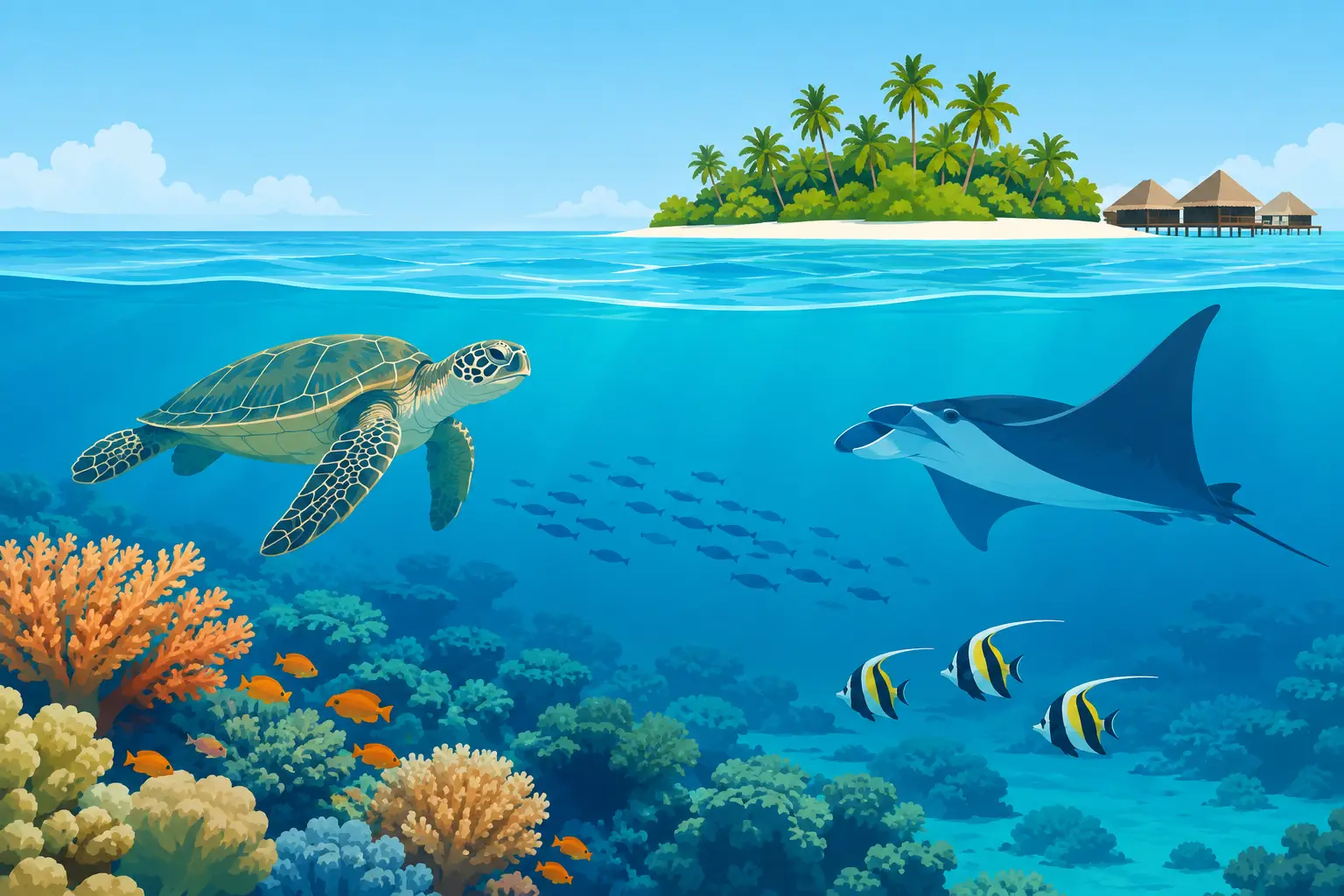
A manta ray can appear as a dark shape beneath the boat, then rise with slow, powerful wingbeats until its white belly and wide mouth come into view. These moments feel wonderfully close, but they are still wild encounters shaped by sea conditions, currents, and the animals’ own behavior. Knowing how to prepare manta ray excursion plans before you leave your guesthouse gives you more time to enjoy the anticipation and less time worrying about what to wear, bring, or expect.
From Rasdhoo, an organized outing puts you within reach of some of the Maldives’ most memorable marine experiences. Whether you are a first-time snorkeler, a certified diver, or traveling with a partner or family, a little practical preparation helps make the day comfortable, safe, and respectful for the mantas.
Prepare for a Manta Ray Excursion With the Right Expectations
Manta rays do not perform on a schedule. They visit feeding and cleaning areas in response to plankton, currents, weather, and seasonal patterns. A skilled local crew can select a promising site and read the conditions, but no responsible operator should promise a sighting on every trip.
That uncertainty is part of what makes an encounter special. Rather than treating the excursion as a guaranteed photo opportunity, think of it as time on the Indian Ocean with a real chance to observe one of its most graceful animals. You may see a single manta glide past, several rays circling below, or a lively reef scene filled with fish, turtles, and coral even if mantas remain farther out that day.
Ask about the planned departure time, approximate boat journey, whether the experience is snorkeling or diving, and the level of water confidence needed. Conditions can change, so the exact site or timing may need to shift. Flexibility is often the best way to make the most of a Maldives marine day.
Snorkeling and Diving Offer Different Views
Snorkeling is accessible to many guests and can be ideal when mantas feed near the surface. You will float above the action, watch the rays approach and turn beneath you, and enjoy a broad view of the blue water around them. It is a beautiful choice for couples, families with confident swimmers, and travelers who want a wildlife experience without scuba equipment.
Diving can offer longer observation time at depth and a closer view of reef life around a cleaning station, depending on the site and conditions. It also brings more requirements. Divers should carry appropriate certification, be honest about their recent experience, and listen carefully to the guide’s briefing on depth, current, and air management.
Neither option is automatically better. The right choice depends on your certification, comfort in open water, the day’s conditions, and where mantas are most likely to be moving.
Choose a Day That Works With Your Island Stay
Avoid packing a manta excursion into the narrow gap between arrival and departure transfers. International flights, domestic connections, speedboat schedules, jet lag, and tropical weather can make a rushed first day less enjoyable. If possible, plan the outing after you have slept well, settled into your room, and had time to get comfortable in the water.
A morning excursion may offer calmer seas and cooler temperatures, while an afternoon departure can fit better around a relaxed breakfast and beach time. The local team arranging your trip can advise on the current forecast and expected conditions. If your schedule allows, keeping more than one potential day open is wise. It gives you options if weather changes or you want to try again after an especially exciting first encounter.
Rasdhoo is a practical home base for this kind of flexible island rhythm. At Ras Rana Lodge, guests can start with breakfast, return to air-conditioned comfort after the boat ride, and still be only a short walk from bikini beach for a sunset swim.
Pack Light, but Pack for the Sun and Sea
You do not need a large bag for a manta ray outing. Boats have limited dry storage, and loose items can get wet quickly. Wear your swimsuit under lightweight clothing, and bring a cover-up for the ride back, when wind can feel cool after time in the water.
A few items make a real difference:
Reef-safe sunscreen, applied well before entering the water so it has time to absorb
A rash guard or long-sleeve swim top for sun protection and extra comfort in the water
A reusable water bottle, sunglasses, and a hat for the boat journey
A towel and dry change of clothes kept in a waterproof bag
Prescription medication, plus motion-sickness medicine if you are prone to seasickness
An underwater camera only if you can use it without chasing the moment or the animal
Leave valuable jewelry, unnecessary electronics, and heavy bags at your room. If you wear contact lenses, consider bringing lubricating drops, as saltwater and wind can cause irritation. Guests who wear glasses may find a prescription mask useful, although a properly fitted standard mask works well for many people.
Prevent Seasickness Before It Starts
Even experienced travelers can feel seasick on a speedboat, especially if they are tired, dehydrated, or traveling after a large meal. Eat a light breakfast rather than skipping food completely, drink water, and avoid excess alcohol the evening before.
If you know you are sensitive to motion, take medication according to its directions before the boat starts moving. Sitting near the center or toward the back of the boat, facing forward and looking toward the horizon, can help. Tell the crew early if you feel unwell. They are there to assist, and speaking up is far easier than trying to push through discomfort in silence.
Get Comfortable With Your Equipment First
For snorkelers, the mask is the key piece of equipment. A leaking or foggy mask can turn a magical moment into a frustrating one, so ask the crew to help check the fit before you enter the water. Hair caught under the silicone skirt is a common cause of leaks. Keep the strap comfortably snug, not painfully tight.
Practice clearing your snorkel and floating face-down in calm water if you are new to snorkeling. You do not need to be a strong athlete, but you should be able to stay calm, breathe steadily, and follow instructions. Fins save energy and help you maintain position without splashing, which is better for both you and the wildlife.
Divers should inspect their gear, confirm hand signals, and let the guide know about any concerns before departure. A manta excursion is not the day to hide anxiety about current, equalization, or buoyancy. Good guides appreciate clear communication and can often offer a more suitable plan.
Give Mantas the Space They Deserve
Manta rays are large, curious-looking animals, but they should never be touched, blocked, ridden, or pursued. Their protective mucus coating can be damaged by human contact, and close chasing changes their natural behavior. The best encounters happen when people become quiet observers.
Enter the water gently, follow the guide’s positioning instructions, and let the manta choose the distance. If a ray swims toward you, stay still or move slowly aside rather than reaching out. Keep your fins controlled, avoid sudden dives from above, and never surround an animal with a group.
This matters especially at cleaning stations, where smaller fish remove parasites from mantas. A ray may return to the same route repeatedly if the area remains calm. By staying low-impact and patient, you increase the chance of seeing natural behavior instead of a brief retreating silhouette.
Photography deserves the same care. Turn off flash, keep a respectful distance, and do not make repeated fast movements to get a closer frame. A photo is a lovely reminder, but watching a manta glide through clear blue water with your own eyes is often the part you remember most.
Prepare Your Body for Time in Open Water
The Maldives sun is strong, and the excitement of an excursion can make people forget basic comfort. Hydrate before boarding, reapply sunscreen as directed, and use a rash guard if you burn easily. Saltwater, wind, and boat spray can leave you more tired than expected, so plan a relaxed afternoon after the trip rather than stacking it with another demanding activity.
If you are pregnant, have a heart or respiratory condition, are recovering from illness, or have concerns about swimming ability, discuss them honestly with the excursion team before booking. They can explain what the day involves and help you decide whether snorkeling, diving, or a different marine activity is the most comfortable fit.
Parents should also consider each child’s confidence rather than age alone. A child who can calmly use a mask and snorkel, follow instructions, and remain close to an adult may enjoy the outing deeply. For others, a shorter reef snorkel closer to shore can be the better first step.
Let the Day Stay Bigger Than the Sighting
Bring your curiosity, listen to the local crew, and allow the ocean to set the pace. A manta ray excursion is not only about checking an animal off a bucket list. It is an opportunity to feel the scale of the atoll, notice the changing shades of water, and share a quiet, extraordinary space with marine life on its own terms.
When the moment comes and a manta turns through the blue below you, put the camera down for a breath or two. That small pause may become the clearest memory you take home from Rasdhoo.


Comments